


Ulta Beauty: Makeup & Skincare review
 Analysis by GetAllApps
The Ulta Beauty: Makeup & Skincare app is most useful when I’m already considering a beauty purchase and want to browse Ulta’s range without starting from scratch. It’s a free shopping app from Ulta Inc., focused on makeup, skincare, haircare, and fragrance. I find its appeal less in novelty than in having a retailer’s catalog and shopping journey gathered in one place—though that also means it makes the most sense if Ulta is a store you’re willing to buy from.
There is a little friction in using any retail app: browsing can feel effortless until you need to locate a particular item, check whether it suits your routine, or move from research to a decision. My practical advice is to treat this as a tool for narrowing choices, not as a substitute for knowing what you want. The app has a 4.6 average from around 221,000 ratings, and more than five million installs, but those figures don’t tell you whether its shopping flow fits your habits. That depends on how you use it.
Finding your way around the beauty catalog
The app belongs to the beauty-shopping category, but the assortment spans more than makeup and skincare. Haircare and fragrance matter too, which is helpful if you prefer to compare several parts of a routine through one retailer. The store’s short description is simply “Ulta Beauty”; in practice, I’d think of the app as a mobile storefront rather than a beauty-advice app. It can help you explore products, but you should still check details such as shade, ingredients, and suitability before buying.
When I’m unsure where to begin, I’d start with the item or category I actually need instead of browsing broadly. That small choice helps keep a beauty catalog from turning into an endless scroll. For example, if my shampoo is nearly empty, I can focus on haircare rather than opening the app with no plan and getting distracted by unrelated products. This is especially useful when shopping on a phone, where jumping between categories and remembering what you were comparing can become tiring.
A less obvious advantage of a retailer-specific app is that it can make repeat shopping simpler than searching the wider web each time. If you already know the product name or brand you want, a focused search is often a better starting point than browsing promotional collections. On the other hand, if you’re still deciding among products from many retailers, a beauty-focused comparison source or a general search may give you a broader view. Ulta’s app is most compelling when you want to shop Ulta’s selection, not when you need a neutral survey of the whole market.
When browsing starts to feel like work
The main point where users can get stuck is not necessarily a technical failure; it may simply be too much choice. Beauty products often depend on personal preferences and details that a product name alone can’t resolve. I’d keep a short note of what matters before opening the app: the product type, the shade or finish if relevant, and any ingredient or hair concern I need to avoid. That makes it easier to distinguish a genuinely suitable option from one that merely looks appealing in a listing.
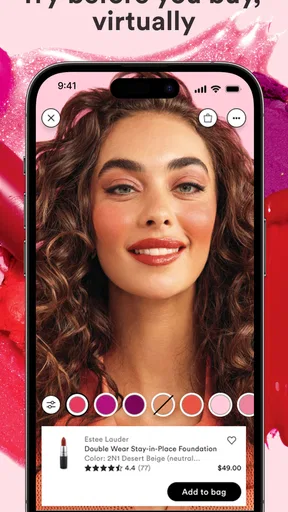
For makeup, shade decisions are a good example of where a convenient mobile catalog has limits. A screen can help you identify a product and review its description, but it can’t guarantee how a color will look in your lighting or on your skin. I wouldn’t buy a shade-sensitive item solely because its online image seems convincing. If the choice is uncertain, checking in person or consulting another reliable source is a better next step than repeatedly reopening the same listing.
Skincare calls for a different kind of care. I would use the app to find products and read their descriptions, then take time to check whether the ingredients and intended use suit my routine. A retailer’s shopping experience can organize choices, but it doesn’t replace professional advice for a persistent skin concern. That distinction is useful: the app can support product research without being treated as a diagnostic or personalized skincare service.
Simple checks before troubleshooting
If something seems wrong, I start with the basics rather than assuming the account or app is broken. I check that my device has a working internet connection, that I’m using the current installed version, and that I haven’t accidentally left the shopping flow or lost the item I meant to view. The current version is 10.17.1, and the app is listed for devices running OS 9 or later. Those details are useful when deciding whether an older device may be part of the problem, but they don’t guarantee identical behavior across every phone.
I also separate a slow page from a missing product. A connection issue can interrupt loading, while an item that doesn’t appear may be a search or catalog question instead. I’d try a more specific product name or brand, then broaden the search if that produces no useful result. If a page behaves unexpectedly, closing and reopening the app after checking the connection is a sensible first recovery step. I avoid making repeated changes to an order while the screen is still catching up, since that can make it harder to tell what has actually happened.
Before starting a purchase, I find it helpful to verify the exact product and variant in the listing rather than relying on memory from a previous visit. This is a practical safeguard for shade or size choices and for products with similar names. If I’m comparing several options, I keep the comparison narrow—two or three meaningful candidates—so I can remember why one is a better fit. That approach is more reliable than treating a long browsing session as a decision-making system.
Recovering a shopping task without making a mess
If browsing is interrupted, I’d return to the last concrete task rather than retracing every screen. Was I searching for a particular fragrance, checking a skincare product, or deciding between haircare options? Re-entering that query gives the session a clear direction. If a product page won’t load, I’d check the connection and try again later before concluding that the item is unavailable. A temporary loading problem and a product not being listed are different situations, even if they feel similar in the moment.
For a cart or checkout interruption, I’d review the contents carefully before continuing. Confirm the item, the chosen variant, and the quantity instead of assuming the app preserved every choice exactly as expected. If the order status is unclear, avoid placing another order immediately; first check the app’s visible order information or the relevant account details. That is a general way to prevent duplicate action when a shopping screen stalls, not a promise about how every transaction behaves.
One useful habit is to make the purchase decision in stages: research first, confirm the precise item second, and complete checkout only when you’re ready. This is especially worthwhile for skincare or makeup, where a near-match may not be a good replacement. It also makes it easier to notice whether your difficulty is in product discovery, product selection, or the final shopping step, rather than treating all three as one vague app problem.
When the issue may be outside the app
Not every disappointment points to a software fault. If a shade looks different from what you expected, screen settings and room lighting can affect your impression. If a product is difficult to find, the item name or brand spelling may be the issue. If a page takes a long time to load, the connection may be unstable. I’d check those possibilities before reinstalling the app or changing a device setting without a clear reason.
There’s also a difference between a retailer’s catalog and independent product guidance. If you need to compare Ulta’s offering with products sold elsewhere, the app’s retailer focus is a limitation by design. Likewise, if you need tailored medical guidance about a skin or scalp condition, a shopping app is not the right place to settle that question. I’d use it to browse and make a purchase when I have enough information, and turn to a qualified professional or broader comparison source when the decision needs more than retail descriptions.
Who will get the most from it
I’d recommend the app to people who already shop at Ulta, want to browse beauty products on their phone, or sometimes need to replace a familiar item without beginning a wide web search. It may also suit someone building a shopping list across makeup, skincare, haircare, and fragrance, provided they’re comfortable making their own product judgments. The app is free and rated for Everyone, so there’s no purchase price to try it; the real commitment is time spent browsing and the need to check choices carefully.
I’d be less enthusiastic if your priority is comparing every retailer at once, getting personalized treatment advice, or seeing and testing shades before deciding. For those needs, a broader comparison service, a professional consultation, or an in-person visit may be more useful. The app’s strength is convenience within one retailer’s beauty-shopping environment, not universal coverage or expert diagnosis.
A practical verdict for everyday shopping
Ulta Inc. has maintained the app since its release on November 8, 2012, and it remains a focused option for mobile beauty shopping. I’d use it for a clear task—replacing a product, exploring a category, or checking a candidate before buying—rather than opening it just to browse indefinitely. That simple boundary makes the experience feel more useful and helps prevent the catalog from overwhelming the decision.
My recommendation is to try it if Ulta is already part of how you shop for beauty. The app can make product discovery and repeat shopping more convenient, but it doesn’t remove the need to verify shades, ingredients, or product details. Its best role is a practical storefront you can return to when you know what you’re looking for; if you need independent comparisons or personal advice, use a different resource alongside it.
Pros and cons
Pros
- The app offers convenient access to Ulta Beauty's wide product catalog.
- Product pages include customer reviews to help inform purchases.
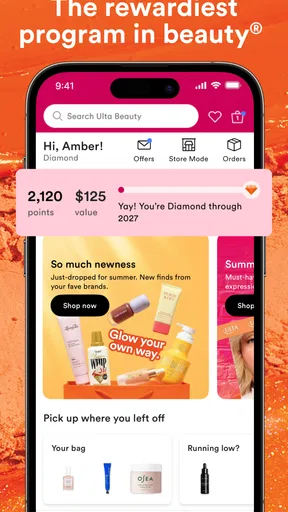
- Beauty rewards can be tracked and managed within the app.
- Saved favorites make it easy to revisit products later.
- Store locator helps users find nearby Ulta Beauty locations.
Cons
- Some products may be unavailable for delivery or pickup.
- The large catalog can make finding specific items take time.
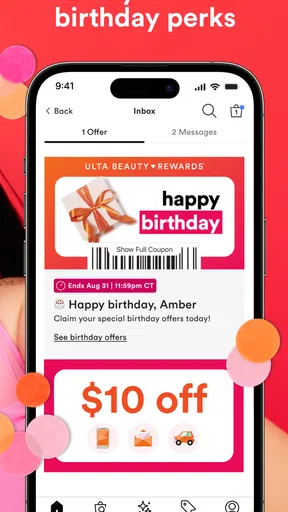
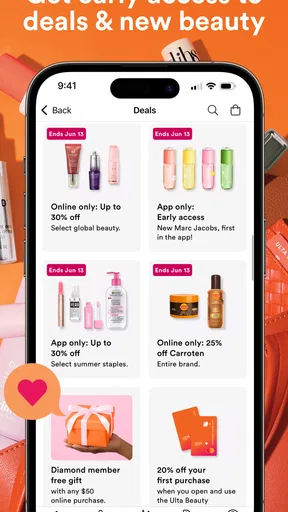
- Offers and rewards may come with eligibility requirements.
- Shopping features require an internet connection.
- Product shades may look different on your device than in person.


